 New Funding Resources
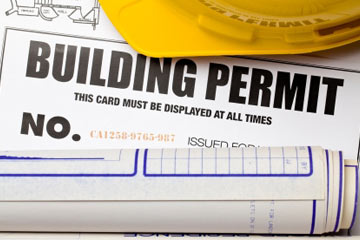 In our previous blogs, we discussed renovations projects that might require getting permits as well as the situations when you can get away rehabbing a property without them. Getting permits will almost inevitably slow you down. It will also add an extra layer of expenses to your budget. On the other hand, not getting permits when required increases your risk and, ultimately, your liability. A building inspector might not only halt your whole project until the right permits are in place but also ask you to bring your existing renovations up to code. However, the focus of this article is not to dwell on when to get permits but how to effectively manage renovations that require permits.
Managing Rehab
Estimating Renovation Costs: Major Expenses That Affect Your Budget
 Mark Twain famously quipped: “Nothing in life is guaranteed except death and taxes.” As real estate rehabbers, we face that uncertainty every day. Our profit calculations are based on the myriad estimates that depend on factors beyond our control. Learning to manage this uncertainty is learning to manage and minimize your risk. Today I want to talk about one component that is especially tricky to control – your rehab costs. Estimating renovation costs correctly is the key to your success as a real estate investor. Yet, these four costly items are often overlooked and, as a result, may significantly reduce your profits.
How Fast Can You Repay Your Hard Money Loan?
 “I need a hard money loan for three months maximum,” I hear our potential borrowers say all the time. “I have the right partners, the right contractors and we will be moving fast.” “How many properties have your flipped in the last two years?” I always ask them. The answer is typically none.
Grow Your Hard Money Rehab ROI – Continued
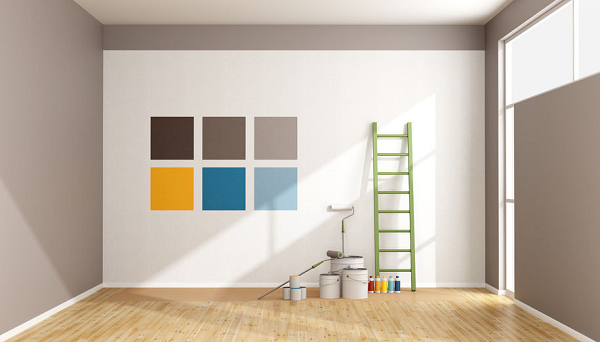
This article is a continuation of our series on increasing your hard money rehab ROI. In the previous installment, we’ve discussed ways to strategically allocate your hard money rehab dollars to the areas that have the most impact on your sales price. Today, we will be tackling additional strategies. As a hard money lender, I’ve seen many of our experienced borrowers make their rehabs look more expensive than they actually are by getting the right materials and playing with modern design trends. Here are three best tricks of the trade to give you the bang for your rehab buck.
How To Use Hard Money to Rehab for ROI

The key to a successful rehab is to control your costs. That doesn’t mean, however, that you should use the cheapest materials. The trick is to think wisely and choose when to spend your rehab money and when to go with a budget option. As a hard money lender, I can testify that in our business it’s all about ROI. The goal is to create the most upscale look-and-feel for your property while keeping your costs down. Our most successful clients do so by concentrating their rehab money in strategic areas, using the right materials to get the most bang for the buck and by simply displaying good taste. Let’s unpack each of these recommendations.
Pulling Permits for Your House Flip: Things NOT to Do
 When planning construction costs for your house flip, you need to decide in advance whether you need a construction permit or not. Pulling permits requires opening your property up to an inspector who might ask you to bring many areas of your home “up to code.” This adds extra expenses to your renovation. On the other hand, not getting a permit might result in retroactive changes to the areas you’ve already completed. As the result, not only your costs increase, you might also experience major delays. One of the worst mistakes a rehabber can make is to plunge in the house flip process without carefully considering whether to get a construction permit or not.


