 New Funding Resources
Last Updated on January 27, 2026 by Kyle Sennott
A Smart Investor’s Survival Guide
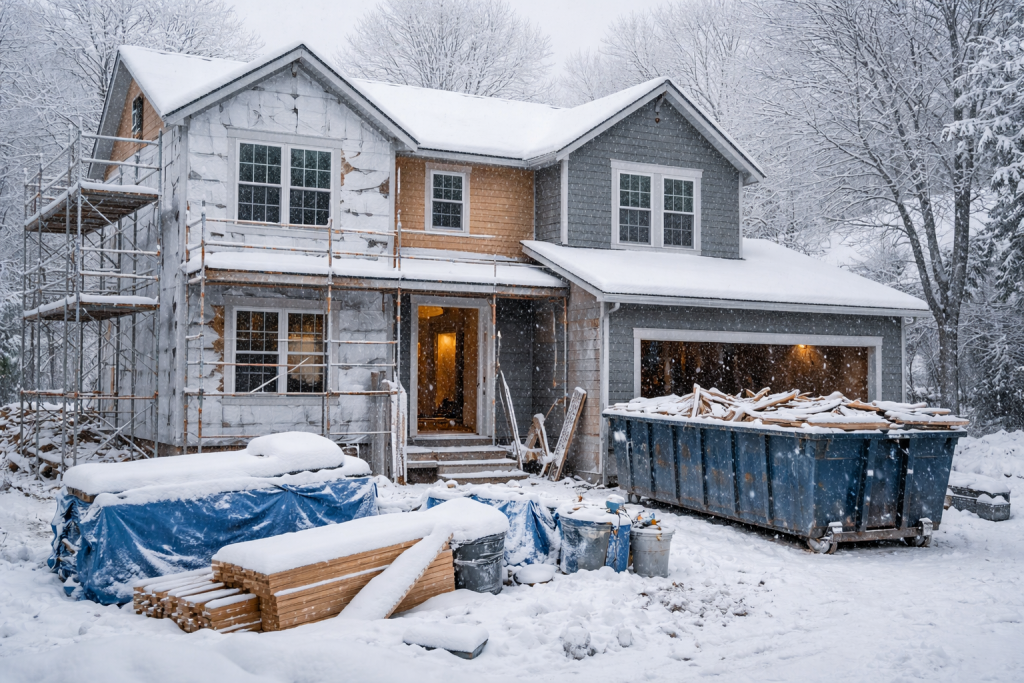
Winter renovation season in the DMV is a bit like chess played in gloves. You can still win, but every move needs intention. In Maryland, Washington, DC, and Virginia, plunging temperatures, surprise snowfalls, and icy mornings are a reality investors face every year. Exterior work often has to wait for warmer days, but that does not mean your project needs to hibernate.
Savvy investors know winter is less about stopping and more about shifting gears. The goal is twofold: protect the work already completed and keep forward momentum without creating expensive cold-weather mistakes.
Below is a practical, investor-tested approach to managing active renovations through winter.
Accept the Reality: Some Exterior Work Must Pause
Certain tasks simply do not cooperate with freezing temperatures. Masonry, concrete pours, exterior painting, roofing adhesives, and asphalt work all rely on temperature thresholds to cure properly. Forcing these jobs in January often leads to cracking, peeling, or premature failure that costs far more to fix later.
Smart investors plan for this pause instead of fighting it. The key is sequencing. Exterior delays should be intentional, documented, and built into your timeline so your holding costs do not spiral.
Part 1: How to Protect In-Progress Work From Cold Weather Damage
Cold damage usually comes from moisture, not just temperature. Water expands when it freezes, and unfinished materials are especially vulnerable.
Winter Protection Checklist
Seal the building envelope early
If windows, exterior doors, or temporary coverings are not installed, cold air and moisture will find their way inside. Even temporary barriers help stabilize interior conditions.
Winterize plumbing immediately
Drain unused lines, cap exposed pipes, and maintain minimal heat inside the property. One burst pipe can erase months of profit.
Control interior temperature
Portable heaters can be useful, but they must be used carefully. Avoid open-flame heaters and monitor humidity. Consistent low heat is safer than extreme swings.
Protect materials on site
Drywall, flooring, cabinets, and insulation should never sit directly on cold concrete. Elevate materials, keep them wrapped, and store them in heated or conditioned spaces whenever possible.
Watch humidity levels
Cold air holds less moisture, but heaters can create condensation. Excess moisture can warp wood, delay paint curing, and cause mold issues later.
Clear snow early and often
Snow piled against foundations or entry points melts and refreezes, pushing moisture into the structure. Snow removal is not cosmetic. It is preventive maintenance.
Part 2: How to Keep Renovations Moving During Winter
Winter is ideal for interior-heavy progress. The most disciplined investors treat this season as a setup phase that positions the property for a fast exterior finish once temperatures rise.
Smart Winter Renovation Strategy
Focus on interior demolition and framing
These tasks generate momentum without temperature sensitivity. By spring, the property should be structurally ready for finishes.
Rough-in mechanical systems
Electrical, plumbing, and HVAC rough-ins are perfect winter work. Inspections can be scheduled ahead of peak spring demand.
Drywall, trim, and interior painting
Once temperature and humidity are controlled, interior finishes can move forward. This shortens your spring timeline significantly.
Cabinetry, tile, and flooring prep
Material acclimation matters. Bring products inside early so they adjust to interior conditions before installation.
Finalize exterior planning
Use winter downtime to lock in exterior scopes, bids, permits, and materials. When the weather breaks, you move immediately instead of waiting weeks for contractors.
Heavy Snowfall Game Plan
Snowstorms are not just inconvenient. They create safety risks and delays if not anticipated.
- Build buffer days into contractor schedules
- Keep walkways and entrances cleared for inspections and deliveries
- Protect temporary roof coverings and flashing
- Inspect attics and crawlspaces after major temperature swings
A little planning here prevents emergency calls later.
Why Lenders and Investors Care About Winter Management
From a financing perspective, winter discipline signals professionalism. Properties that are properly protected reduce risk, prevent insurance claims, and stay on track for timely resale or refinance. This matters whether you are self-funding or working with a private lender.
If you are planning a winter renovation and want to make sure your project timeline and funding strategy align, our team works with investors across the DMV year-round. Winter renovations reward patience, sequencing, and preparation. The investors who thrive are not the ones fighting the weather. They are the ones using it strategically. Protect what you have built, keep the interior progress moving, and be ready to sprint when spring arrives.
Cold months do not have to freeze your profits. They can quietly set the stage for them.


Leave a Reply